New cooling systems

AC Installation and Replacement in Montgomery, AL

Replacing a central air conditioner is a big decision, and in a climate this hot and humid the details of the installation matter as much as the equipment. Here is what to expect and what to ask.

The line is for homeowners who need HVAC or AC repair, replacement or installation. It can't help with billing or service already scheduled with a company.

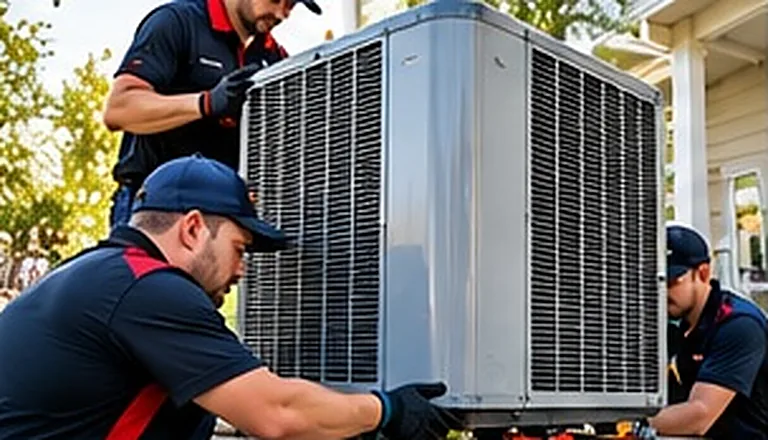
Two technicians positioning a new outdoor air conditioning unit during installation

In short

AC installation and replacement means removing an old or failed central air conditioner and installing a new system sized and matched for the home. It typically covers the outdoor condenser, the indoor coil, refrigerant lines, drainage, electrical connections and thermostat setup. It is for homeowners with a failing or aging system, or a home adding central cooling.

Most homeowners consider a new air conditioner after a major repair recommendation or a summer of watching an older system struggle. In the Montgomery, AL area, a new system will log many hours.

This site doesn't sell or install equipment. It connects homeowners by phone with independent providers who can assess the house and offer a proposal.

Signs it may be time to consider replacement

  • A technician has recommended replacing the compressor or outdoor coil on an older system.
  • The system has needed refrigerant added more than once.
  • Repairs have become a yearly pattern rather than a rare event.
  • The house never feels dry in summer, even with long cooling cycles.
  • The system uses an older refrigerant that is becoming harder to service.

What a replacement project may involve

Technician crouched beside an open AC condenser with a tool bag nearby

A thorough provider starts with the house, not the old equipment label. Sizing should consider square footage, insulation, windows, sun exposure and duct condition, often through a load calculation. Copying the old unit's size can repeat a mistake, since oversized systems handle humidity poorly.

On installation day, the crew typically recovers the old refrigerant, sets the new condenser and coil, and connects lines, wiring and the condensate drain. The job should end with a test run and a walkthrough.

Safe checks before you call

  • Write down the model and serial numbers from the old indoor and outdoor units so providers can compare.
  • Note which rooms run hot or humid, and at what times of day.
  • Gather records of past repairs, especially refrigerant work or compressor issues.
  • Clear a path to the indoor unit, whether it sits in an attic, closet or crawlspace.

When professional help makes sense

Installation involves refrigerant, high-voltage wiring and often permits, so it is a provider's job. Your part is asking how the system was sized and whether the indoor coil will be matched.

Even when a failure in summer heat creates pressure to decide quickly, a short talk about sizing is worth having. Call to be connected with a local HVAC provider who can assess the home.

What a provider may evaluate before quoting

  • Home size, insulation and window exposure
  • Existing ductwork condition, sizing and leaks
  • Whether the indoor furnace or air handler pairs well with new equipment
  • Electrical supply and disconnect at the outdoor unit
  • Condensate drainage route and overflow protection

Deciding between one more repair and a new system

Ask how much life is left in the rest of the system and how well it has ever worked. An older unit with worn coils is a stronger replacement candidate than one that simply lost a fan motor.

Ask each provider to explain both paths with the reasoning behind each. The page on AC repair covers what a repair visit looks at, which can help you weigh a recommendation.

Installation details that matter in central Alabama

In a humid subtropical climate, an air conditioner has two jobs: lowering temperature and removing moisture. An oversized system cools quickly, shuts off and leaves humidity behind. Correct sizing, airflow and drainage make a noticeable difference in how a house feels in July.

Older homes may have ducts that leak or are undersized; see the ductwork page. Where a gas furnace is involved, anyone who smells gas should leave the house and call the gas utility or 911 from outside.

Homeowners call about AC installation & replacement from towns including:

Browse by area: Montgomery County Elmore County Lake Martin Area Macon County East Alabama.
Related services

Often discussed alongside AC installation & replacement

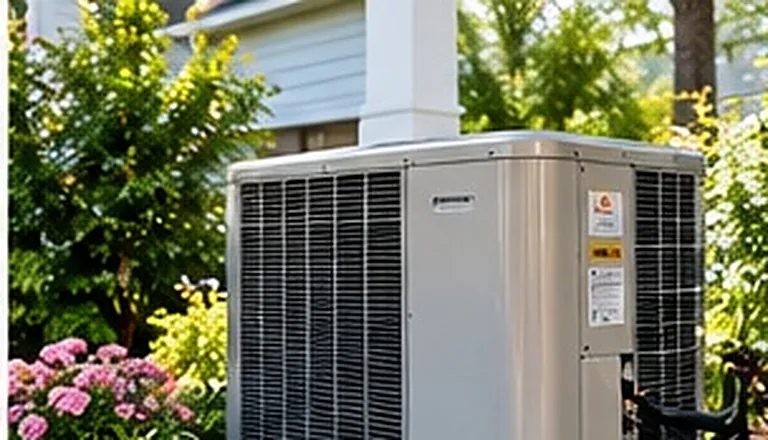
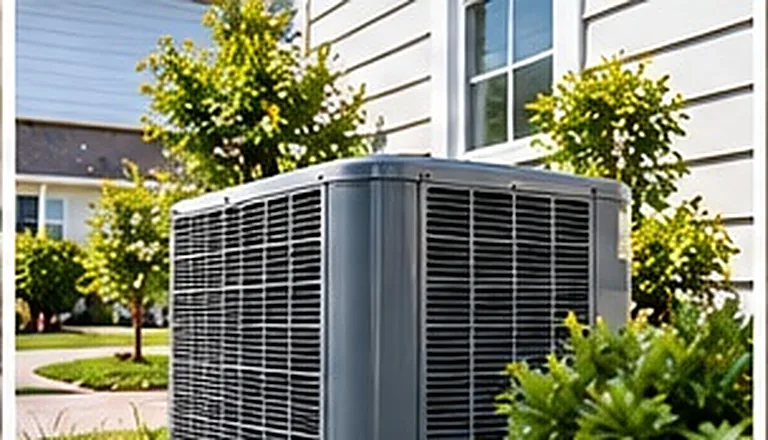
Outdoor air conditioning condenser beside a house with landscaped shrubs

AC Repair

AC repair is the diagnosis and correction of problems with a central air conditioning system: the outdoor condenser, the indoor coil and blower, the refrigerant circuit, the controls and the condensate drain.

Heat pump outdoor unit on a pad beside a home with flowering shrubs

Heat Pump Repair

Heat pump repair covers diagnosis and correction of problems in an electric heat pump system, including the reversing valve, defrost controls, outdoor coil and fan, compressor, backup heat strips and thermostat settings.

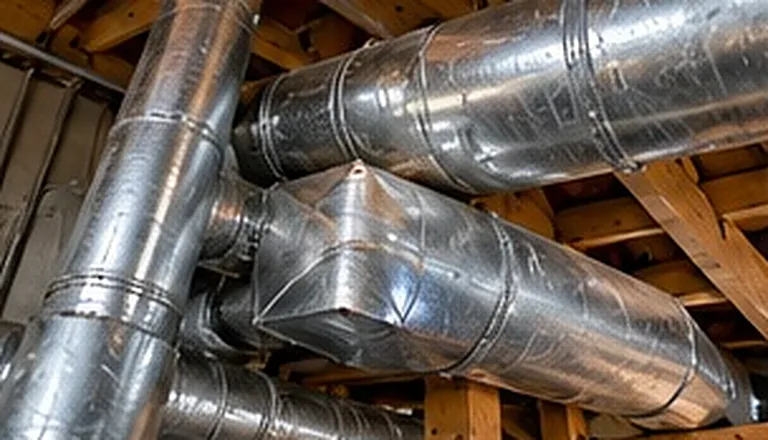
Insulated metal ductwork running through the framing of a home

Ductwork & Airflow Problems

Ductwork service covers inspecting, repairing, sealing, insulating and sometimes redesigning the supply and return ducts that move conditioned air through a house.

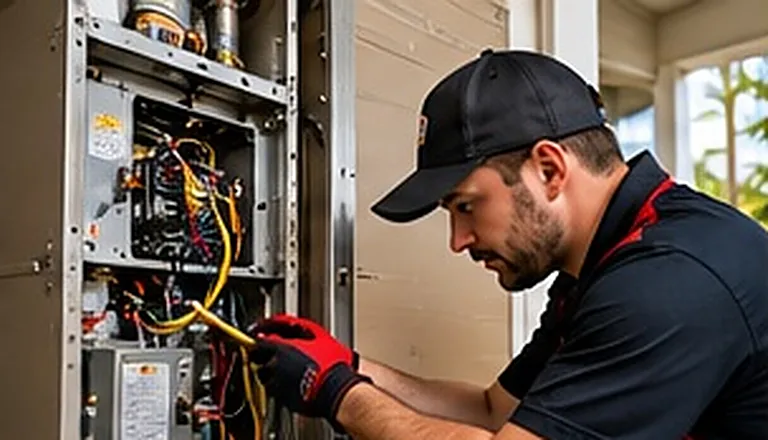
HVAC technician checking wiring inside an indoor furnace cabinet

Furnace Installation & Replacement

Furnace installation and replacement means removing an aging or failed furnace and putting in a new one matched to the house and its ductwork.

Call now

Talk to a provider about AC installation & replacement

Describe what your system is doing and where your home is. You'll be connected with an independent local HVAC provider who serves your area.

Call Now

The line is for homeowners who need HVAC or AC repair, replacement or installation. It can't help with billing or service already scheduled with a company.

Questions homeowners ask

AC Installation & Replacement: common questions

Call Now

How do I know what size air conditioner my house needs?

Size should come from the house itself: square footage, insulation, windows, orientation and ducts, weighed through a load calculation. Ask each provider how they arrived at their recommendation. If the answer is only that it matches the old unit, ask whether the old unit was ever right.

Do I need to replace the indoor coil along with the outdoor unit?

In most split systems, the indoor coil and outdoor condenser are designed as a matched pair. Mismatched components can reduce performance and cause problems. A provider may recommend replacing both together and should explain why, especially if the old coil uses a different refrigerant.

Will a new air conditioner fix humidity problems in my house?

It can help if the old system was oversized or failing, but sizing and setup matter more than the equipment itself. Airflow settings, duct leaks and drainage all affect moisture removal. Ask how the proposal addresses humidity specifically.

Does a new AC system mean new ductwork too?

Not necessarily. Many ducts can be reused after inspection and sealing. Ducts that are undersized, crushed, poorly insulated or leaking heavily may need repair or partial replacement for a new system to perform well. A provider should inspect them before quoting.

Is it smart to replace an AC before it fails completely?

Planned replacement gives you time to compare proposals and schedule work in milder weather instead of during a heat wave. It makes the most sense when the system is older, needs frequent repairs or no longer keeps the house comfortable.

What happens to my old air conditioner during replacement?

The installing provider typically recovers the refrigerant with proper equipment before disconnecting anything, then hauls the old equipment away. Refrigerant shouldn't be vented into the air. Ask how removal and disposal are handled so you know what to expect.