
In short
Whole-home dehumidifiers and humidifiers connect to a home's HVAC system or ductwork to remove or add moisture for the entire house. They are for homeowners whose central air does not keep summer humidity in check, or who notice very dry air during cold winter stretches.
An air conditioner removes some moisture as it cools, and in many houses that is enough. Problems tend to show up when the AC is oversized, when the house sits closed up for long periods, or during mild, muggy weather when the AC barely runs but the air stays damp.
Humidifiers come up less often here, since winters are mostly mild, but some homeowners notice dry air during cold snaps. Call to be connected with a local HVAC provider who can measure conditions.
Signs moisture control may need attention
- Indoor air feels damp or sticky even when the temperature is comfortable.
- Condensation forms on windows, supply registers or ducts.
- A musty smell lingers in closets or near the crawlspace.
- Wood floors or doors swell and stick during summer.
- Static shocks and very dry air appear during cold winter stretches.
How whole-home moisture equipment works
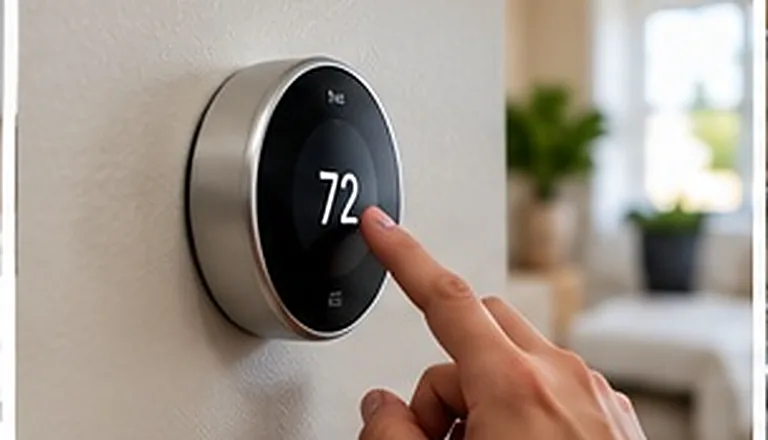
A whole-home dehumidifier pulls air from the house, removes moisture over a cold coil, and returns drier air, often through the existing ducts. It has its own drain and controls and can run when the AC is not cooling.
Whole-home humidifiers add moisture to air moving through the system during heating season. Sometimes the better first step is adjusting what is already there: fan settings, AC sizing, duct leaks and crawlspace moisture all affect indoor humidity.
Safe checks before you call
- Set the thermostat fan to auto rather than on, since a constantly running fan can return moisture to the air.
- Place an indoor humidity gauge in a main living area and track readings for a week.
- Look at the outdoor end of the condensate drain to confirm it drips while the AC runs.
When professional help makes sense
Professional input makes sense when humidity stays high for days, when condensation shows up on ducts or registers, or when musty smells persist despite cleaning. The provider can tell whether the cooling system itself needs AC repair before suggesting added equipment.
Moisture often ties into broader concerns covered on indoor air quality. A clogged drain can also raise indoor dampness, as described under AC water leaks.
What a provider may check
- Indoor humidity readings over time
- AC sizing, run times and thermostat fan setting
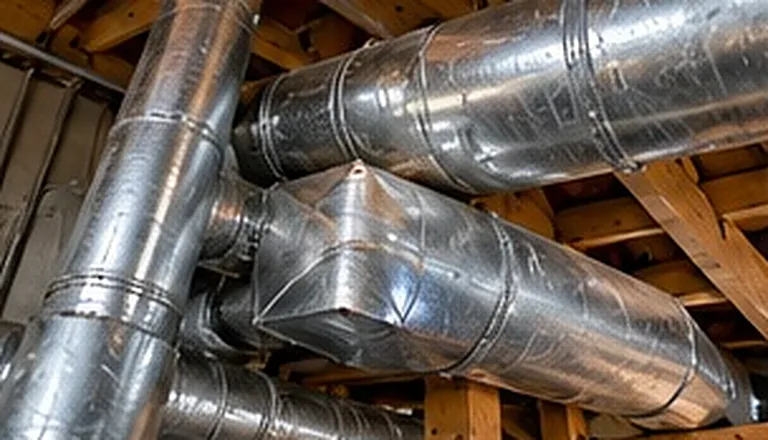
- Duct leaks in attics or crawlspaces pulling in humid air
- Condensate drains and installation space
- Crawlspace moisture and vapor barrier condition
Servicing existing moisture equipment
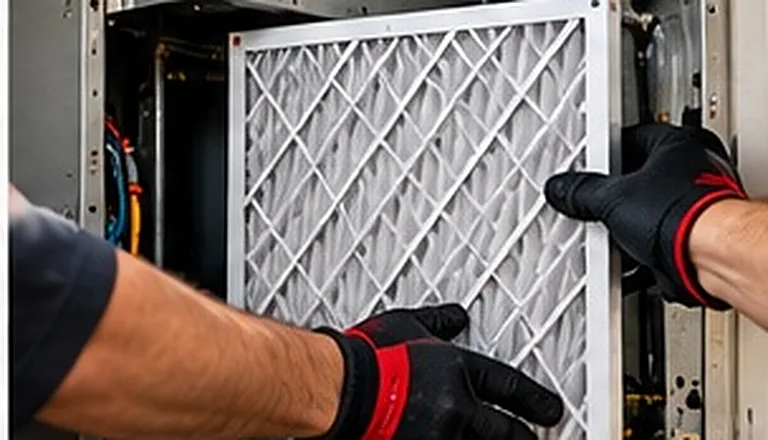
Whole-home dehumidifiers have filters, coils and drains that need periodic attention, and a unit that stops removing moisture may only need cleaning or a cleared drain. Humidifier pads wear out and need replacing on a schedule.
Timing matters as well. When an older unit fails repeatedly, or the HVAC system is being replaced anyway, it is worth reconsidering whether that equipment still fits.
Humidity in the Montgomery, AL region
Long, humid summers make moisture the bigger concern here. Homes with crawlspaces can draw damp air upward, and lake homes or seasonal properties that sit closed for weeks may build up humidity while no one is around.
Homeowners call about dehumidifier & humidifier installation from towns including:
- HVAC repair in Montgomery, AL
- HVAC repair in Eclectic, AL
- HVAC repair in Dadeville, AL
- HVAC repair in Alexander City, AL
Browse by area: Montgomery County Elmore County Lake Martin Area Macon County East Alabama.