Urgent HVAC help

Urgent and Emergency HVAC Repair in Montgomery, AL

Some HVAC problems can wait for a convenient appointment and some can't. This page covers safety steps first, then how to reach a local provider when the situation is pressing and the house can't wait.

The line is for homeowners who need HVAC or AC repair, replacement or installation. It can't help with billing or service already scheduled with a company.

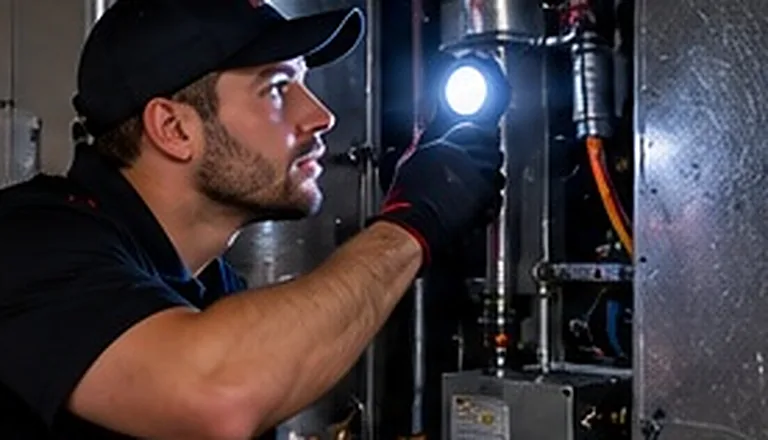
Technician using a flashlight to inspect an indoor HVAC system

In short

Emergency HVAC repair refers to urgent service for heating or cooling failures that affect safety or health, such as a gas smell, a burning odor, water pouring from equipment, or a home without cooling during dangerous heat. It is for homeowners who need help soon. Availability depends on provider participation, location and demand, so no response time can be promised.

Urgent HVAC situations fall into two groups: safety hazards like a gas smell, burning odors or water near wiring, and comfort failures that become health concerns, such as losing cooling in a heat wave with a vulnerable person at home.

The number on this page reaches independent providers around the Montgomery, AL area. This site doesn't dispatch anyone, and visit timing depends on provider participation, location and demand.

Situations that call for urgent attention

  • You smell gas, often described as a rotten egg or sulfur odor, anywhere in the house.
  • A burning, electrical or melting-plastic smell comes from the vents or equipment.
  • Water is pouring from an attic unit or through a ceiling.
  • The air conditioning has failed during extreme heat and someone in the house is vulnerable.
  • A carbon monoxide alarm sounds.
  • The heat has stopped during a hard freeze and the house is cooling quickly.

What urgent HVAC service may involve
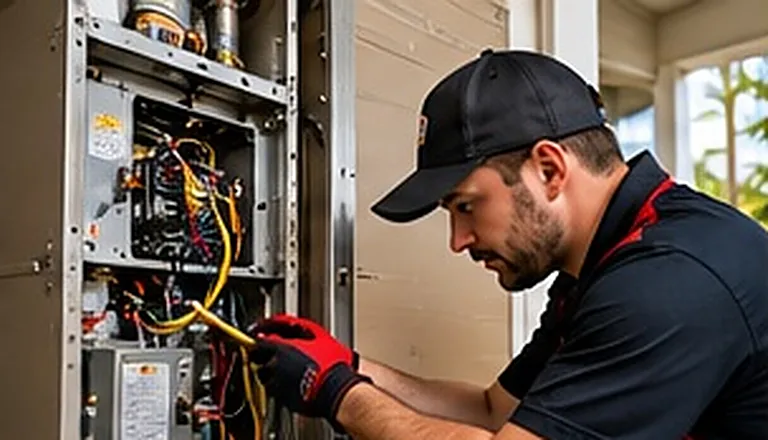
HVAC technician checking wiring inside an indoor furnace cabinet

Urgent calls usually start with stabilizing things: shutting down a failed component, stopping a leak or making the system safe. A part may need ordering for a follow-up visit.

Describe the situation clearly when you call: what you smell, see or hear, where the equipment is, and who in the house might be at risk. That lets the provider judge how pressing it is and what to bring.

Safe checks before you call

  • Gas smell: get everyone out of the home without using light switches, the thermostat or a phone indoors, then call the gas utility or 911 from outside.
  • Burning smell or smoke: switch the system off at the thermostat. Call 911 if there is fire or heavy smoke.
  • Water leaking: turn the system off and stay clear of wet electrical parts.
  • AC failure during dangerous heat: move vulnerable people to cooler shelter, such as a relative's home or a cooled public space, while you arrange a repair.

When professional help makes sense

A safety hazard goes to emergency services or the gas utility first, then to an HVAC provider. A cooling failure that puts someone's health at risk also justifies an urgent call; seek medical help if someone shows signs of overheating.

Less pressing problems can usually wait for a regular appointment. Call to be connected with a local HVAC provider.

What a provider may check on an urgent call

  • Gas valve, venting and burner area once the home is declared safe
  • Electrical components showing heat damage or burned wiring
  • Blower and outdoor fan motors that may have seized
  • Condensate pan, drain line and overflow switch on a leaking unit
  • Compressor and refrigerant circuit on a system that stopped cooling

Urgent HVAC situations in the Montgomery, AL region

Long, humid summers make air conditioning a health matter. Failures during extreme heat often coincide with high demand, which affects how soon providers can schedule, so plan for cooler shelter.

Occasional hard freezes can catch a furnace or heat pump unprepared, and thunderstorms can damage outdoor units. For non-urgent causes, see an AC that won't turn on or a furnace that isn't heating.

Homeowners call about emergency AC & heating repair from towns including:

Browse by area: Montgomery County Elmore County Lake Martin Area Macon County East Alabama.
Related services

Often discussed alongside emergency AC & heating repair

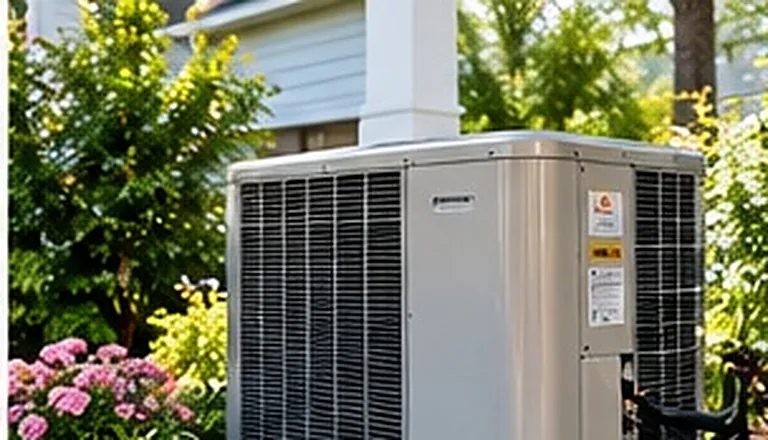
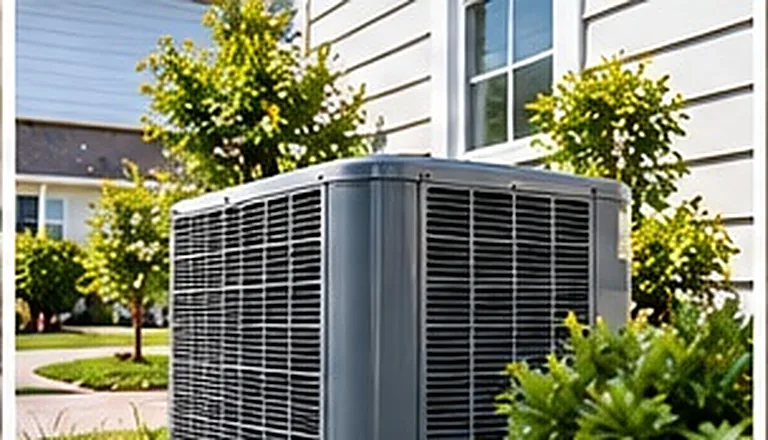
Outdoor air conditioning condenser beside a house with landscaped shrubs

AC Repair

AC repair is the diagnosis and correction of problems with a central air conditioning system: the outdoor condenser, the indoor coil and blower, the refrigerant circuit, the controls and the condensate drain.

HVAC technician checking wiring inside an indoor furnace cabinet

Furnace Repair

Furnace repair means finding and fixing faults in a gas or electric furnace: ignition and flame sensing, the inducer and blower motors, safety switches, the control board and the airflow path.

Heat pump outdoor unit on a pad beside a home with flowering shrubs

Heat Pump Repair

Heat pump repair covers diagnosis and correction of problems in an electric heat pump system, including the reversing valve, defrost controls, outdoor coil and fan, compressor, backup heat strips and thermostat settings.

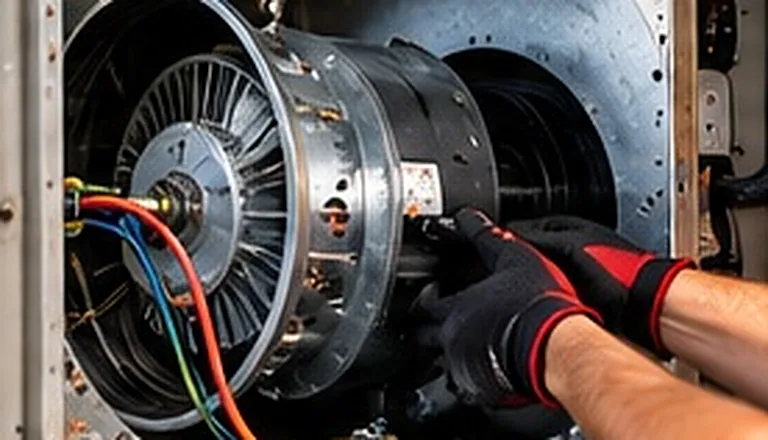
Technician inspecting a blower motor and fan wheel inside an air handler

Air Handler & Blower Motor Repair

Air handler and blower repair addresses the indoor unit that moves air through a home's ducts, including the blower motor, blower wheel, indoor coil, drain pan and control board.

Call now

Talk to a provider about emergency AC & heating repair

Describe what your system is doing and where your home is. You'll be connected with an independent local HVAC provider who serves your area.

Call Now

The line is for homeowners who need HVAC or AC repair, replacement or installation. It can't help with billing or service already scheduled with a company.

Questions homeowners ask

Emergency AC & Heating Repair: common questions

Call Now

Can I get an HVAC technician to my house tonight?

That depends on which independent providers are participating, where you live in the region, and how busy they are at the moment. Some may be able to come in the evening, and others may book the next opening. Explain the situation clearly so the provider can tell you what is possible.

What counts as a true HVAC emergency?

Anything that threatens safety: a gas smell, burning odors, smoke, a carbon monoxide alarm, or water leaking near electrical equipment. Losing cooling in extreme heat, or heat during a hard freeze, also qualifies when someone vulnerable lives in the home. Most other problems can wait.

My carbon monoxide alarm went off. What should I do?

Get everyone, including pets, outside into fresh air right away and call 911. Don't go back in until responders say it is safe. Carbon monoxide has no smell, so the alarm is the warning, and fuel-burning appliances should be inspected before use.

How can I keep a family member safe while the AC is down in summer?

Move anyone at higher risk, such as older adults, infants or people with medical conditions, to a cooler place like a relative's home or an air-conditioned public building. Keep curtains closed, drink water, and seek medical help for signs of heat illness such as dizziness or confusion.

Should I turn off my AC if water is coming through the ceiling?

Yes. Turn the system off at the thermostat to stop more condensation forming, and at the equipment switch if you can reach it safely. Move belongings, catch the water, and avoid wet wiring or fixtures. A provider can find out whether a clogged drain caused it.

Will the person who answers the phone diagnose my problem?

The call is a way to reach a local provider, not a remote diagnosis. Describing what you see, smell and hear helps them judge urgency. A real diagnosis happens in person, and safety issues like a gas leak should go to the gas utility or 911 first.