Heating repair

Furnace Repair in Montgomery, AL

Winters here are mostly mild, so a furnace can sit idle for months and then struggle on the first cold snap. Here is what furnace repair covers and how to reach a local provider.

The line is for homeowners who need HVAC or AC repair, replacement or installation. It can't help with billing or service already scheduled with a company.

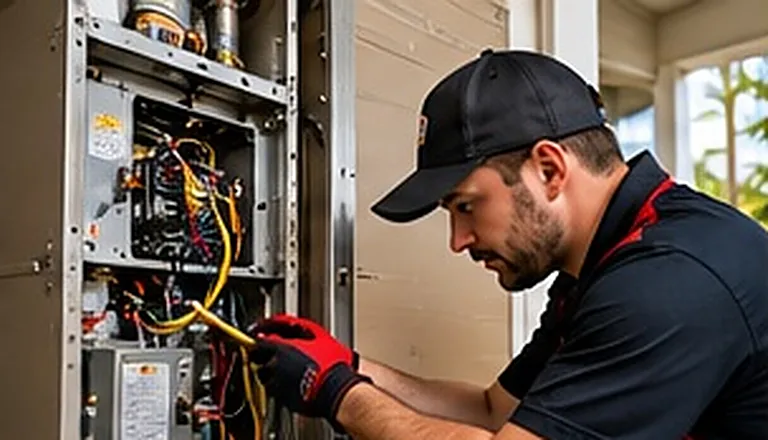
HVAC technician checking wiring inside an indoor furnace cabinet

In short

Furnace repair means finding and fixing faults in a gas or electric furnace: ignition and flame sensing, the inducer and blower motors, safety switches, the control board and the airflow path. It is for homeowners whose furnace won't start, blows cold air, shuts off early or makes unusual sounds, and who need a trained technician to work on it safely.

Many central Alabama homes pair a gas furnace with central air. Because cold weather comes in bursts, a furnace runs only occasionally, and problems like a dirty flame sensor often appear on the first chilly morning.

This site doesn't employ technicians. It helps homeowners reach an independent local provider by phone and points out a few safe checks first.

Signs your furnace may need repair

  • The blower runs but the air from the registers is room temperature.
  • The furnace starts, runs briefly, then shuts down and tries again.
  • You hear repeated clicking at startup without the burners lighting.
  • A loud bang or rumble comes from the cabinet when the heat kicks on.
  • A status light on the furnace blinks in a pattern it didn't show before.

What furnace repair may involve
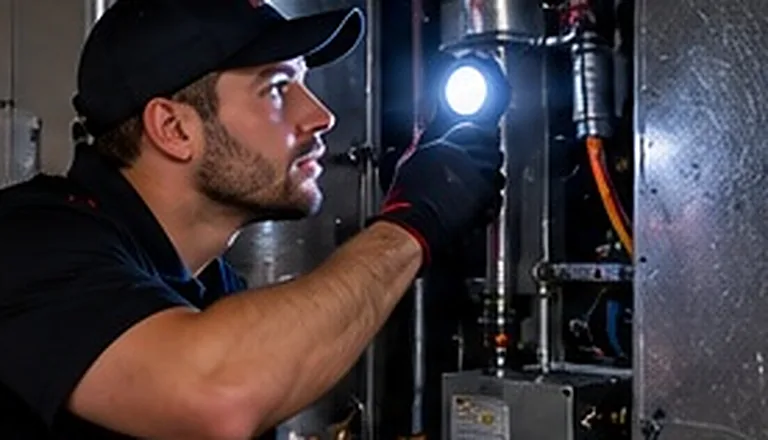
Technician using a flashlight to inspect an indoor HVAC system

A technician usually reads any fault code and watches a full startup sequence. The step where things stop, such as ignition or flame proving, narrows down the cause.

Common fixes include cleaning a flame sensor, replacing a cracked igniter, clearing a blocked vent or condensate trap, or replacing an inducer motor or pressure switch. On gas equipment, a careful technician also looks at venting and the heat exchanger area, since those affect safety.

Safe checks before you call

  • Switch the thermostat to Heat, nudge it several degrees warmer than the room, and swap weak batteries.
  • Confirm the furnace power switch near the unit is on and its breaker hasn't tripped.
  • Replace a dirty filter, which can make a furnace overheat and shut off.
  • Make sure rugs and furniture aren't blocking registers.

When professional help makes sense

Gas safety comes first. If you smell gas, don't touch the thermostat or light switches; leave the home right away and call the gas utility or 911 from outside. Don't restart the furnace until the source has been found.

Otherwise, call when basic checks don't bring the heat back or the furnace keeps locking out. Opening the burner compartment or bypassing a safety switch is never a homeowner job. Call to be connected with a local HVAC provider.

What a technician may inspect on a furnace

  • Control board fault codes and the startup sequence
  • Igniter and flame sensor condition
  • Inducer motor, pressure switch and vent connections
  • Heat exchanger area and flue for damage or blockage
  • High-limit and rollout safety switches

When a furnace repair stops making sense

Furnaces here run fewer hours than in colder climates, so many are worth repairing. A worn igniter is a routine fix that says little about the rest of the unit.

The picture changes with a cracked heat exchanger, repeated control failures, or venting that no longer suits the equipment. If replacement comes up, read about furnace installation and replacement before deciding.

Furnace considerations for central Alabama homes

Mild winters with occasional hard freezes mean long idle periods followed by sudden heavy use, so worn parts tend to fail on the first cold night.

Older homes and ranch houses may have furnaces in attics or crawlspaces with aging ducts. When uneven heat persists, the problem may be in the ducts rather than the furnace, which the ductwork page explains.

Homeowners call about furnace repair from towns including:

Browse by area: Montgomery County Elmore County Lake Martin Area Macon County East Alabama.
Related services

Often discussed alongside furnace repair

HVAC technician checking wiring inside an indoor furnace cabinet

Furnace Installation & Replacement

Furnace installation and replacement means removing an aging or failed furnace and putting in a new one matched to the house and its ductwork.

Heat pump outdoor unit on a pad beside a home with flowering shrubs

Heat Pump Repair

Heat pump repair covers diagnosis and correction of problems in an electric heat pump system, including the reversing valve, defrost controls, outdoor coil and fan, compressor, backup heat strips and thermostat settings.

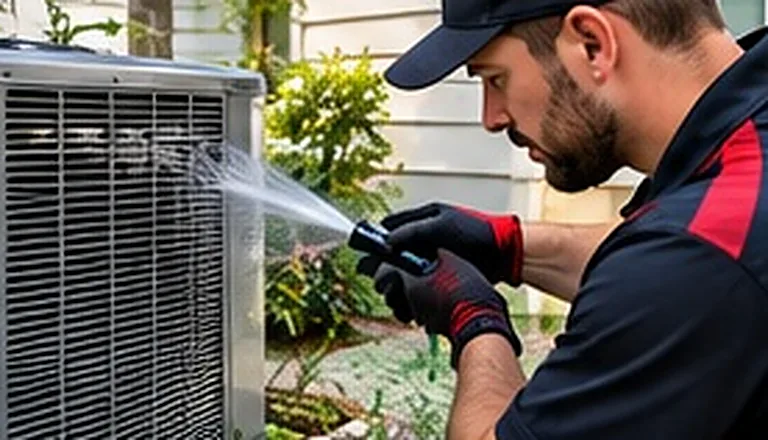
Technician rinsing the coil of an outdoor AC unit during seasonal maintenance

HVAC Maintenance & Tune-Ups

HVAC maintenance is a scheduled inspection and cleaning of a home's heating and cooling equipment, usually before the cooling and heating seasons.

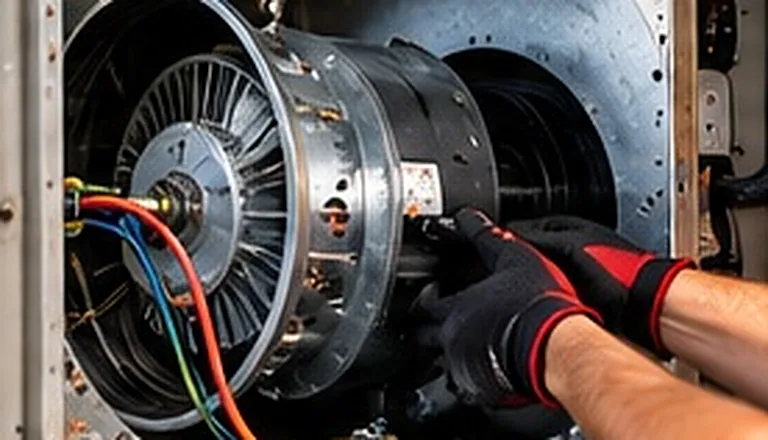
Technician inspecting a blower motor and fan wheel inside an air handler

Air Handler & Blower Motor Repair

Air handler and blower repair addresses the indoor unit that moves air through a home's ducts, including the blower motor, blower wheel, indoor coil, drain pan and control board.

Call now

Talk to a provider about furnace repair

Describe what your system is doing and where your home is. You'll be connected with an independent local HVAC provider who serves your area.

Call Now

The line is for homeowners who need HVAC or AC repair, replacement or installation. It can't help with billing or service already scheduled with a company.

Questions homeowners ask

Furnace Repair: common questions

Call Now

Is a burning smell normal the first time I turn on the heat?

A faint dusty smell for a short while after the first startup of the season is common, because dust settles on the burners during the off months. If it lasts, smells like melting plastic or wiring, or comes with smoke, switch the system off and call.

Should I try to relight my furnace pilot?

Most furnaces installed in recent decades use an electronic igniter rather than a standing pilot, and repeated failed lighting usually points to a part that needs testing. Working inside the burner area isn't a safe homeowner task. Check the thermostat, switch and filter, then call.

What should I do if I smell gas near the furnace?

Leave the house immediately with everyone inside, without flipping switches or using the thermostat. Once you're outside at a safe distance, call the gas utility or 911. Don't go back in until the leak has been located and the area declared safe.

Why does my furnace blow cold air for a minute before warming up?

Ducts that sat in a cold attic or crawlspace can push out a short burst of cool air at startup, which is common. Cold air that continues, or a furnace that never seems to light, suggests an ignition or flame sensing problem a provider should look at.

Why does my furnace shut off before the house warms up?

Short cycling often comes from overheating, which trips a safety limit. A clogged filter, closed registers or a weak blower are frequent causes, and a dirty flame sensor can make burners drop out after a few seconds. Replace the filter first, then call if it continues.

Is it worth fixing a furnace in a climate with mild winters?

Usually, yes. Hard freezes still happen in central Alabama, and a house without heat can get cold quickly. Because furnaces here run fewer hours, many repairs extend their life considerably. A technician can tell you whether the unit is otherwise sound.